

What Is Container House
Container housing is a type of modular housing built from shipping containers that have been decommissioned and repurposed for housing. Typically made of steel, they offer a versatile and affordable alternative to traditional housing. They come in a variety of sizes and designs and can be customized to suit personal preferences. Container homes are often touted as a sustainable and environmentally friendly option because they utilize existing materials and reduce waste.
●Easy to Build: Container houses are easy to build and require less time when compared to traditional homes. The relatively simple construction process and the use of pre-manufactured components or modules speed up the building process.
●Sustainability: Building a home from a shipping container is a sustainable option since it ensures that the containers are reused rather than being left to pollute the environment.
●Customizable: Container houses can be easily modified to fit the owner's preferences, style, and needs. Modifications can include adding windows, doors, or even combining multiple containers to create larger living spaces.
●Durability: Shipping containers are made of strong materials like steel, which ensures durability. They can withstand harsh weather conditions such as hurricanes, earthquakes, and strong winds.
●Design flexibility: Container homes offer design flexibility, allowing homeowners to customize the design and layout to suit their preferences. They may incorporate various design elements and styles to achieve an aesthetic appeal that suits their taste and preference.
●Versatile: Container houses can be used for a wide range of purposes, including as homes, offices, guest houses, and emergency shelters. The modular design of these structures allows for endless possibilities in terms of how they can be used.
-

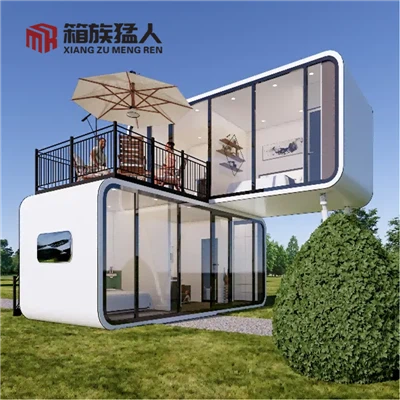
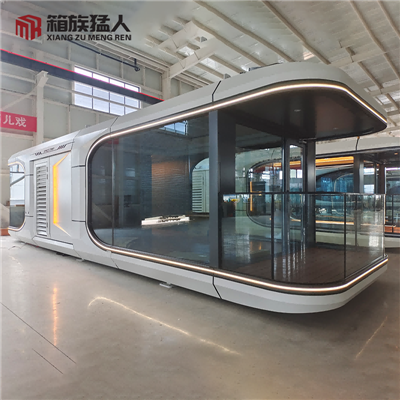
Apple Cabin Modular Prefab House For Sale
$ 1500.00
Apple cabin prefabricated house, modular apple cabin, glamping pod house, portable prefab villa, mobile modular house, customized prefabricated cabin, resort accommodation cabin
Add to Inquiry -
Portable Prefabricated Modular Expandable Container House
Weight: 1500kg. Advantage: 1.Good stability, airtightness, comfort and toughness. 2.Appearance diversity,Corrugated,more colorful.
Add to Inquiry -
-
Foldable Container house Container Garage Carports
$ 3800.00
Folded to just 700mm for easy transport. Expanded to fit two cars with room to spare.The F700 Expandable Container Garage is a revolutionary modular parking solution based on our F700 double-wing
Add to Inquiry -
Steel Structure Expandable Container House
$ 5500.00
Weight:2800kg. Floor load:250kg/sqm. Roof load:100 kg/sqm
Add to Inquiry -
Foldable Mobile Container House
$ 1250.00
Size:Fold size 5088mm*2480*330Unfold size 5800mm*2480mm*2560mmLoading :1x40HQ can load 10-12 units. Weight:1300kg.
Add to Inquiry -
Windproof Waterproof Light Steel Villa Custom‑Made Permanent Prefab Home Construction House
$ 1100.00
Connection:welded/bolt connection. Window:aluminum alloy window/plastic steel window/blind window. Door:sliding door/rolling door/KFC
Add to Inquiry -
Apple Cabin Container House Modular House
$ 1500.00
Encounter the Apple Pod and unlock a new way of life In the cookie-cutter building world, do you yearn for a unique habitat that carries a free soul and uninhibited imagination? When the rigidity and
Add to Inquiry -
$ 1500.00
Detachable Transportation : The cabin features a compact structure, allowing for integrated hoisting or disassembly for transportation. It is suitable for scenarios requiring frequent relocation
Add to Inquiry -
$ 1500.00
1. Iconic Design Inspired by Nature Streamlined Curvature : Mimicking the organic shape of an apple, the pod features a smooth, aerodynamic shell that maximizes interior volume while minimizing
Add to Inquiry -
Space Capsule House 2 Bedroom With Kitchen
$ 4400.00
Modular Integrated Design The space capsule structure utilizes three-dimensional layout to compress volume, enabling functional areas including 2 bedrooms and a kitchen to be realized within a
Add to Inquiry -
Insulated Waterproof Flat‑Pack Steel‑Frame Container House, Quick Assembly Prefab Home
$ 250.00
Size:5850mm*2438mm*2896mm . Loading :1x40HQ can load 8 units. Weight: 1500kg
Add to Inquiry



Why Choose Us?
Rich Experience
Our company has many years of production work experience. The concept of customer-oriented and win-win cooperation makes the company more mature and stronger.
One-stop Solution
With rich experience and one-to-one service,we can help you choose products and answer technical questions.
Customized services
We understand that each customer has unique manufacturing needs. That’s why we offer customization options to cater to your specific requirements.
High Quality
Our products are manufactured or executed to very high standards, using the finest materials and manufacturing processes.
What Are The Main Types Of Container House
Hard Top Container
Hard top containers are very similar to open tops with the only difference being a detachable steel roof instead of a tarpaulin sheet. The roof of a hard top container has points through which a forklift can lift the roof. As seen with the previous containers, this design allows for easy loading/unloading of specific types of cargo.
Double Door Container
Double door containers are built to have doors that swing open on both ends. Both sets of doors are built with the same specifications. The two doors provide the most convenient option for loading and unloading. As you can load and unload goods from either ends of the container, as required.

Open-Top Container
Open-top containers, as the name suggests, have an open top. The roof is covered with a tarpaulin sheet instead of a solid roof. This way, it can be covered or left open according to convenience. A double door is made of steel with wooden flooring and the door heads can be swung open for easy loading and unloading.
Reefer Container
Reefer containers are basically mobile refrigerators used to move temperature-sensitive goods. The flooring of a reefer has a T-shaped decking that sends chilled air into the container. This makes sure there is consistent airflow among the goods. They can maintain any temperature between -30°C and +30°C.
How To Choose The Right Container?
There are a few things to consider when choosing a shipping container that suits your needs. First, you need to decide what size container you need. Containers come in a variety of sizes, from small 10-foot containers to large 40-foot containers. The size you need depends on the amount of goods you need to ship.
Next, you need to decide what type of container you need. There are two main types of shipping containers: dry cargo containers and refrigerated containers. Dry cargo containers are used for general cargo, while refrigerated containers are used for perishable cargo or temperature-sensitive products that need to be kept at a specific temperature.
Finally, you need to decide what kind of container you need. There are three main types of containers with different container shipping rates: new containers, used containers, and one-way containers. New containers are the most expensive, but also the most durable. Used containers are a cheaper option but may not be as durable. Disposable containers are used only once and then sold, so they are the cheapest option, but also the least durable. When choosing a shipping container, all of these factors must be considered to ensure you choose the right one for your needs.
A completed shipping container home can be designed and furnished like a traditional home, but with the unique feature of being constructed from repurposed shipping containers. The interior of a shipping container home can vary widely based on the owner's preferences, needs, and budget. Here are some common features and aspects you might find inside a completed shipping container home:
●Living Space: The main living area may consist of an open-plan layout, including a living room, dining area, and kitchen.
●Kitchen: A kitchen can be equipped with standard appliances like a stove, oven, refrigerator, sink, and storage cabinets. It may be compact but fully functional.
●Bedrooms: Depending on the size and layout of the shipping container home, there can be one or multiple bedrooms, complete with beds, closets, and other necessary furniture.
●Bathroom: A bathroom typically includes a toilet, sink, and shower. Some larger shipping container homes might have room for a bathtub as well.
●Storage: Storage solutions are essential in smaller spaces like shipping container homes. Built-in cabinets, shelves, and creative storage ideas are often used to maximize space.
●Heating and Cooling: Proper insulation and heating/cooling systems are installed to ensure the home is comfortable throughout the year.
●Windows and Lighting: Adequate windows allow natural light to enter the home, while artificial lighting fixtures provide illumination at night.
●Utilities: Plumbing and electrical systems are set up to provide water and electricity throughout the home.
●Flooring: Various flooring options, such as hardwood, laminate, tiles, or vinyl, can be used inside the shipping container home.
●Decor and Personalization: Just like any other home, the interior can be personalized with furniture, decorations, and artwork to reflect the owner's taste and style.
Shipping container homes offer a unique and eco-friendly housing option, and their versatility allows for creative and functional interior design solutions. It's essential to work with experienced professionals when building or renovating a shipping container home to ensure it meets safety and building standards while still achieving the desired aesthetic and functionality.
Steps To Build a Shipping Container Home
Now that you’re convinced that a shipping container home is the way you want to go, how do you get started? Making this new dream house a reality will take some planning, preparation, and purchases.
Permits And Planning
While you might be able to cut corners during the construction part of the project, you have to go by the book when it comes to getting the initial paperwork for your shipping container home. Before you even order a shipping container, make sure you have all the necessary building code permits and planning permission from the local entities. Ensure you’re allowed to build a home and that a shipping container home complies with local and state policies.
Work with an architect and structural engineer to ensure that the floor plan you have in mind for your shipping container house is structurally sound. It’s a good idea to find an architect who has worked with shipping containers in the past because building with them is entirely different than a typical wooden, steel, or brick building. Also keep in mind that anything you can put in a custom home, you can put in a container home.
Purchase a Container
So, you’re allowed to build your shipping container home. Great. Next, you’ll need a shipping container. The scale of your plans will dictate the size, type, and condition of the shipping container you’ll buy. The most popular shipping container size used for homes is a 40-foot, high-cube container, which offers about 320 square feet of living space. That’s enough for one bedroom, one bathroom, and a decent-sized kitchen/living room combo space.
To make your shipping container house the best it can be, you’ll want to do your homework before you buy from just any company. Think about cost, delivery options, the vendor's reputation, condition of the shipping container, warranties, and past customer feedback.
Learn more about buying a suitable shipping container for your home here.
Prepare Your Land
You’ve ordered your shipping container, so the next step is to decide where you’ll build your home and then prepare the land. That means thinking about the ground itself and the type of foundation you’ll want to use for the home to keep it elevated from the ground. This will keep it safe from moisture, which could affect the contents and possibly lead to corrosion.
A foundation can range from concrete or wooden supports on the ground for a single shipping container up to a full basement for multiple shipping containers. Your decision will need to consider both what is structurally required and your personal preferences. If you decide on a poured concrete foundation, then plan on embedding steel plates into the concrete where the container corner blocks will rest. This will allow the shipping containers to be welded directly to the concrete foundation.
While it's best to consult with an expert, particularly if you plan on using multiple storage containers, you'll probably consider options like a concrete slab, steel plates, concrete piers, or concrete strips. You should also ensure there's a clear path for your shipping container to be delivered.
Place The Containers
The easiest methods to place shipping containers on the foundation is with a crane and by delivery truck. Nothing beats the ease, speed, and safety of a crane. If you don’t have one, you’ll probably need to hire a local builder or rent a rough terrain forklift for a few hours.
Once your shipping container has been placed on the foundation, it’s relatively easy to make any final adjustments with a large crowbar.
Cut Your Openings
Removing metal from shipping containers is necessary to add window and door openings to the container walls. There are many ways to cut through shipping container steel, including a plasma cutter, cutting torch, grinder, and even a jigsaw (for small openings). For removing an entire wall, a plasma cutter or cutting torch works best.
Note: Before starting to cut openings, make sure you’ve discussed it with your structural expert. Removing structural components of a shipping container can quickly create a dangerous situation if not done right.
Assuming you’re good to go, start cutting holes for windows, doors, skylights and accessories to start making your shipping container look like a home. Depending on your skills, you might want to hire someone to do this for you.
If by cutting in your openings, you create any gaps, they will need to be sealed to protect the inside of the house from the outside elements.
Add Doors, Windows, And Framing
It’s time to add doors, windows, and flooring. You can go as basic or fancy as you want – regular, sliding or French doors, and standard or cranking windows. Whatever style you prefer should work.
To save as much interior space as possible, consider using 1 1/2″ steel studs to frame the shipping container's inside. They secure pretty well to drywall and are stiff enough if you end up using spray foam insulation. In areas that foam did not connect the wall and studs, steel studs might be needed. An extra layer of drywall, or narrower spacing of the studs, might help.
Whichever method you choose, try to include a thermal break between the studs and the shipping container's metal walls. This is especially important when using steel studs as they efficiently conduct heat from the interior spaces.
Install Electric And Plumbing
Even if you don’t know how much electric wiring you’ll want yet, it’s easier and cheaper to wire most of it at this point. One potential difficulty in wiring is getting the wire past some remnants of the removed container walls. One option is to run the wire around the steel and make a custom nail protector – it’s an easy and cheap fix.
When considering electric wiring and plumbing, think about if you’ll be adding HVAC systems or an outside AC unit. Also, consider solar panels for electricity. If you place panels on your roof, as well as add in a glass door, you’ll be able to capture more of the natural sunlight and its energy.
Insulation And Temperature Control
You’ll need insulation to help control the interior temperature of your shipping container house. Keep in mind that you’ll lose a little bit of living space if you insulate the inside.
You can insulate on the exterior if that is a concern. Cedar, vinyl, and even log siding can be applied over a shipping container's insulated exterior. Having the outside insulation also allows you to utilize the entire space of the shipping containers, as long as you like the look of corrugated steel walls in your interior.
The type of insulation you use – spray foam, panels, etc. – will also depend on where you live or what you prefer. Spray foam insulation is commonly used, but it’s the most expensive type. Learn more about insulation options here.
Landscaping And Decorating
Now that your new shipping container home looks good, think about the space around the shipping container. Consider adding a nice deck to extend the living space or landscape area to ensure that your home fits in with its natural surroundings. You can also start painting the interior, lay floor coverings, and make your new container house a home.
Inspection And Sign-Off
Here’s the test. All your planning and hard work is about to pay off. Your new shipping container house is ready for inspection to see if it’s up to building code. Before calling the inspector, have your engineer and other structural experts take one final look so you can address any needed changes to the shipping container building. Keep your fingers crossed.
The Difference Between Prefabricated Houses And Container Houses

01
Material
Prefab houses mainly use light steel structures and sandwich panels, while container houses use steel materials.

02
Design
Prefab houses can be flexibly designed and combined according to customer needs, and can be made into various shapes and sizes, while container houses are usually rectangular structures of standard size and cannot be freely combined.

03
Mobility
Container houses have good mobility and can be quickly loaded, unloaded and moved to another place. Prefab houses, on the other hand, require disassembly or large-scale relocation, and are not as mobile as container houses.

04
Durability
Container houses can withstand stronger structures and are more suitable for projects that require long-term use or are in harsh environments. Prefab houses are usually suitable for short-term use, such as temporary activities, temporary offices at construction sites, etc.

The first step is to be sure your local building codes and neighborhood rules allow for structures to be built of shipping containers.
A building can be designed with one shipping container or more, depending on the use. Modifications to allow for windows and other openings are generally done by the container dealer. Sometimes, in order to create one large space, entire walls are removed, leaving only the frame and the two containers are set side by side. The ceiling can be removed to create a taller space from stacked containers. Other dealer modifications can include the installation of electrical and HVAC systems, insulation, skylights and solar panels.
The foundation of a shipping container building is typically made of concrete piles or a poured slab. The trickiest aspect is usually the insulation. Since the container is made of steel, a building made from it may be too hot or too cold. Usually, insulation with a high R- value is desirable. However, because the containers are so narrow (narrow enough to be driven by truck on local roads and freeways), very thick insulation will use up valuable square footage. If the insulation is placed on the outside, the industrial aesthetic of the steel shipping container is lost. In general, interior spray foam insulation is the best solution.
Certifications


Our Factory
Shanxi Xiangzu Mengren Integrated House Intelligent Technology Co., Ltd. is a high-tech enterprise integrating container manufacturing, sales, maintenance, logistics, design, and research and development. The company has always focused on the research and development and innovation of new products. In order to comply with market development and meet market demand.

FAQ
Q: What are the different types of containers?
Q: Which container is used for shipping temperature-sensitive goods?
Q: What is a container house called?
Q: How tall is a container home?
Q: What are Type A containers?
Q: What is the introduction of container house?
Q: What is a Connex house?
Q: What is a floor container?
Q: What is standard container type?
Q: What is a 20 HD container?
Q: What is the best foundation for a container home?
Q: Are container houses fireproof?
Q: Are container houses the same as tiny houses?
Q: Are container houses portable?
Q: How do I install plumbing in my container house?
Q: How do I insulate a container house?
Q: Can I customize the design of my container house?
Q: How do I clean and maintain my container house?
Q: Can container houses withstand extreme weather conditions?
Q: How durable are container houses?
As one of the most professional container house enterprises in China, we're featured by quality products and competitive price. Please rest assured to wholesale cheap container house for sale here from our factory. Contact us for customized service.
